
BUsiness-aware network consulting & contracting
BUsiness-aware network consulting & contracting

Extensive experience in core and access networks, authentication, backhaul, wholesale circuits, billing integration, traffic management and all aspects of ISP/telco from design to implementation.
All aspects of datacentre networks including cab design and layout, cross-connects, core, access and cloud networks, power, troubleshooting and maintenance in a datacentre environment.
Point to point, point to multipoint long-distance outdoor infrastructure. Licenced and licence exempt. Transmission sites, DC/AC power, battery backup.
Setup and maintenance of 24/7/365 monitoring systems including NOC commander alerts, on-call alerts, etc.
Provisioning of enterprise LAN & WAN infrastructure, from dealing with cabling contractor to rack provisioning to testing and handover. Leverage ISP experience to liaise with ISPs for smooth setup.
Cloud or on-prem, Linux server setup, DNS, RADIUS, Apache with SSL/TLS, Linux firewall, MySQL, etc.
David founded Nova Telecom in 2004 as an alternative B2B connectivity provider. Over 17 years, he grew the business to serve 1000's of Irish business and residential customers, providing broadband internet, dedicated internet and voice services. He was responsible for network architecture and design and dealt with many interesting and innovative technologies, before a successful exit from the business through acquisition in 2021. David was a pioneer in the field of independent ISPs and possesses a unique combination of network and business skills. He is now offering business-aware network consulting and contracting services to telco and managed service clients.
If you are in need of assistance with your project, please contact me and I will be happy to discuss your requirements with you.
Contact Me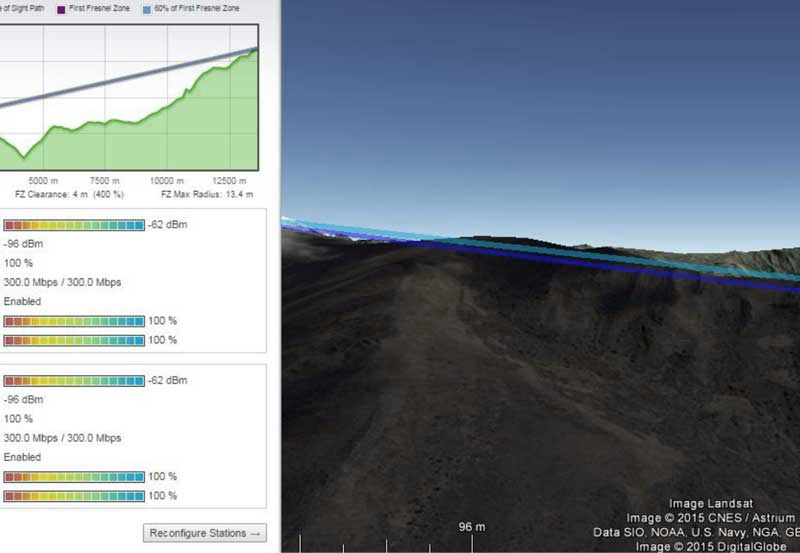
An ISP had multiple backhaul links to key sites, however, the smaller backup links would become congested in a failover event, providing poor service for clients. The client did not have budget to upgrade all of these links. A traffic management solution was put in place to allocate available bandwidth on the congested links by priority, thus ensuring that the most important traffic flowed unimpeded while the primary link was repaired. This saved a huge amount of money for the client by keeping the existing low-cost links in place, while keeping key customers happy.
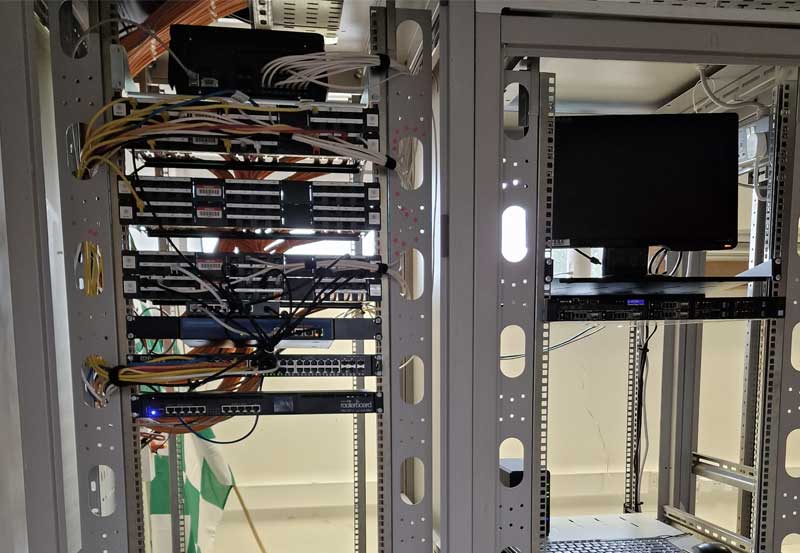
A busy firm was moving offices. A legacy LAN network was in place with old switches in multiple places, without UPS power. A server, NAS, NVR and IP PBX needed to be relocated to the new location in a swift manner at a given time, to minimise downtime. The new location had a dedicated comms room and this was prepared, with all desk points tested in advance. A new wi-fi controller and APs were installed at the new location, along with new centralised switch, a new internet gateway/firewall, UPS and a 1Gbps broadband link. The infrastructure move was carried out flawlessly.
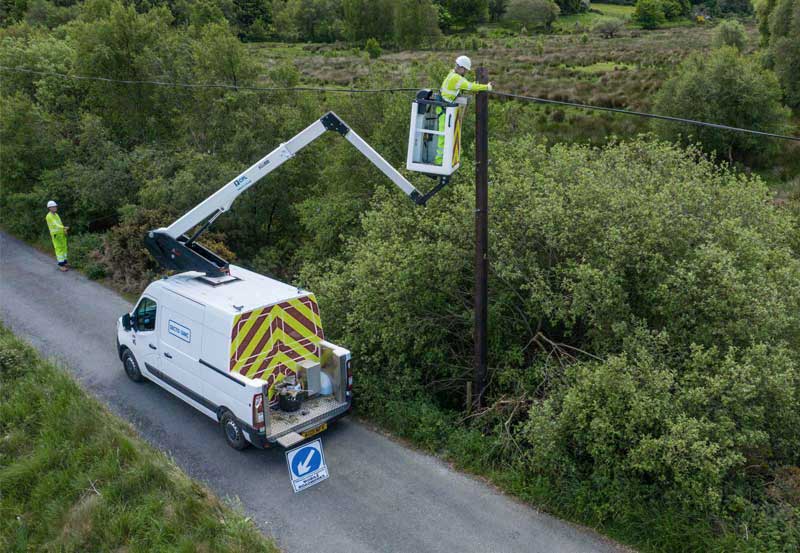
A wireless ISP wished to become a retail fibre provider on the National Broadband Ireland fibre network, but had no expertise in this area. A fully managed turnkey service was provided, from documentation and project management, through NBI lab acceptance testing, product design and positioning, handover port installation, provisioning of sample modems, and product launch. The whole process went smoothly and the provider went on to broaden their offering, taking orders for rural fibre broadband and migrating wireless customers to fibre also.

An ISP was using static IP assignment for residential customers, allocated from fixed IP blocks such as /26s, leading to huge wastage of IP space. The client did not have budget to acquire more IP space, so a more efficient system was required. A RADIUS server cluster was put in place and integrated with the ISP's CRM. PPPoE BRAS were installed at the network edge and all residential customers migrated to PPPoE, utilising the IP blocks fully and alleviating the need to purchase more IP space.
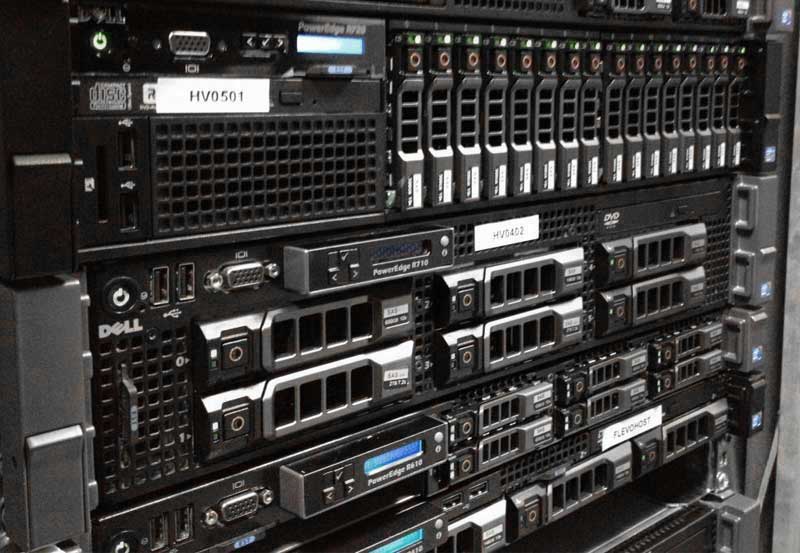
A large organisation needed to upgrade DNS service for 1000s of users. A previous Windows-based solution had failed to scale. A Linux/BIND cluster was built to provide both internal DNS resolution service and authoritative service for the company's domains. A pair of servers were used in synchronised fashion. The first server was built as a VM on the company's virtualisation infrastructure and the second server was provisioned as a bare-metal Linux box at another datacentre location. This setup worked out perfectly and solved the DNS scaling issue successfully.
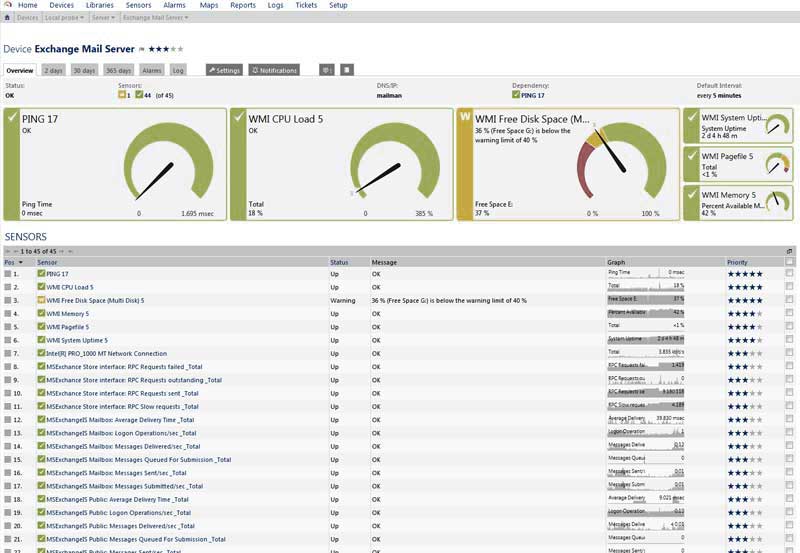
An organisation needed to monitor a complex network consisting of many virtual and physical servers along with many fibre backhaul circuits and some wireless circuits. Reactive maintenance was no longer sufficient, so an extensive Network Monitoring System was put in place. This system probed all network and server elements every 60 seconds, checking CPU, memory, storage, temperatures, bandwidth and availability, raising alarms to on-call engineers if any issues were discovered.